
Dr. Nakisa Pouyandeh Cardiologist in Tehran
Board-Certified Cardiologist in Tehran • Comprehensive cardiovascular care, echocardiography, ECG, and vascular treatments
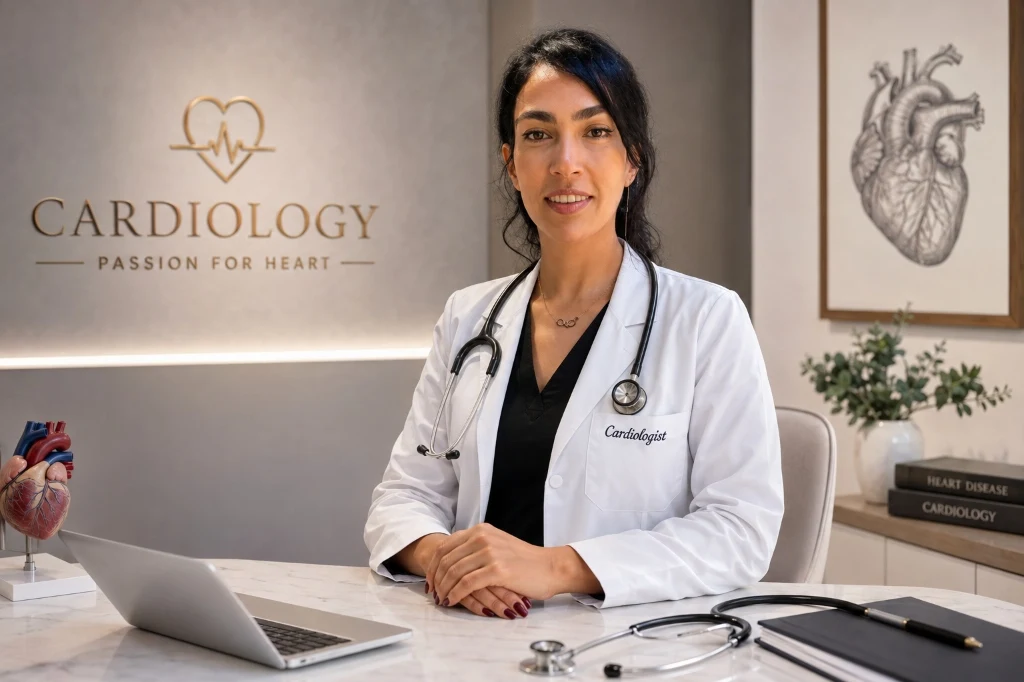
About the Cardiologist
Education & Credentials
Academic Background & Certifications
- Board Certification in Cardiovascular Diseases (Mazandaran University of Medical Sciences)
- Doctorate of General Medicine (Islamic Azad University of Tehran)
- National Iranian Board Certified in Cardiology
- Iranian Medical Council Member
- Skilled in Angiography, Echocardiography & Sclerotherapy (Varicose Vein Treatment)
- Expertise in Pacemaker Optimization & Holter Monitoring
Specialized Care
Specialized Cardiac Services
Comprehensive cardiovascular diagnostic and therapeutic services using state-of-the-art medical technology
Echocardiography
High-resolution ultrasound imaging of the heart to evaluate structure, valves, and pumping function
Learn MoreElectrocardiogram (ECG)
Accurate recording and interpretation of heart electrical activity for arrhythmia and ischemia detection
Learn MoreHypertension & Cholesterol Management
Comprehensive management of high blood pressure and lipids to prevent heart attacks and stroke
Learn MoreVaricose Vein Treatment & Sclerotherapy
Diagnosis and minimally invasive treatment of venous insufficiency and leg varicose veins
Learn MoreHeart Failure Management
Early diagnosis and advanced medical management of heart failure to optimize quality of life
Learn MoreCardiac Arrhythmias & Pacemakers
Diagnosis and therapy for irregular heartbeats, Holter monitoring, and pacemaker checks
Learn MoreCoronary Artery Disease & Angiography
Diagnosis of arterial narrowing, angiography evaluation, and treatment of ischemic heart disease
Learn MoreCardiovascular Checkup & Prevention
Comprehensive periodic heart screening to detect and prevent cardiovascular disorders early
Learn MoreAppointments
Clinic Schedule & Contact
Weekly consultation hours across clinic locations in Tehran and direct inquiry channels
Hospital & Clinic Schedule
Direct Communication
For appointments and hospital admissions, please call the respective clinic or hospital center directly.
Patient Guide
Frequently Asked Questions
Expert answers to common questions regarding heart diseases and diagnostic procedures
Individuals aged 35-40+, those with family histories of cardiovascular conditions, smokers, and patients with diabetes or hypertension should undergo regular screenings, or immediately if symptoms like chest discomfort, shortness of breath, or palpitations occur.
An echocardiogram precisely evaluates heart chamber dimensions, muscle contraction power (ejection fraction / EF), heart valve anatomy and function, and wall thickness using harmless ultrasound waves.
Sclerotherapy is a minimally invasive, outpatient procedure where a targeted solution is injected into diseased veins, causing them to collapse and fade. It requires no general anesthesia or hospital stay, allowing immediate resumption of daily activities.
Central chest pressure, pain or tightness radiating to the left arm, shoulder, jaw, or back, accompanied by cold sweats, shortness of breath, dizziness, or nausea, are hallmark signs of a heart attack requiring immediate emergency medical care (115).
Ideal resting blood pressure is below 120/80 mmHg. Consistently elevated readings above 130/80 or 140/90 mmHg require professional evaluation and management to protect the heart, brain, and kidneys.
A Holter monitor is a compact, wearable device that continuously records heart electrical rhythm or blood pressure over 24 to 48 hours during your normal routine to detect intermittent arrhythmias or concealed blood pressure spikes.